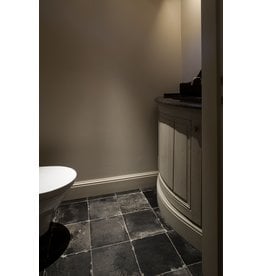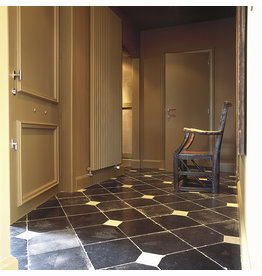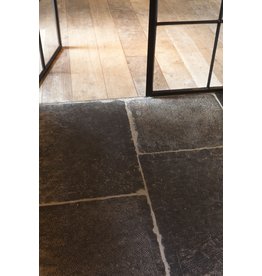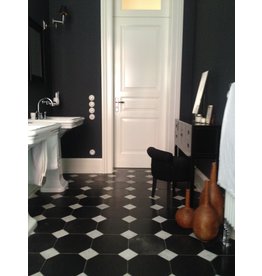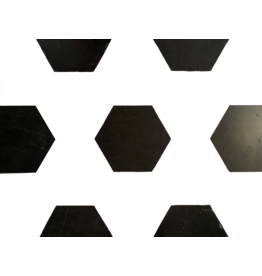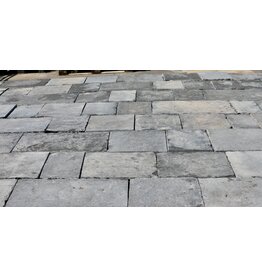
Antique black marble tiles and slabs with historical and architectural value
Used worldwide in monumental architecture — from churches and cathedrals to palaces and international landmark buildings.
Black marble is one of the most prestigious and timeless materials in architectural history. These antique marble tiles and slabs originate from historic buildings and carry a unique patina that can only be achieved through decades or even centuries of use.
Throughout history, black marble has been widely used in churches, basilicas, and cathedrals, as well as in palaces and representative buildings. Notable examples can be found in iconic architecture such as the Doge’s Palace in Venice and St. Peter’s Basilica in Rome, as well as in numerous historic and public buildings worldwide.
Today, these antique marble floors are reintroduced into high-end residential and architectural projects, where authenticity, material integrity, and historical depth are essential.
The deep black base, often enhanced with subtle veining and natural wear, creates a powerful and elegant surface. Each slab is unique and reflects its origin, resulting in a floor rich in character and architectural presence.
Unlike newly quarried marble, these antique slabs are defined by their aged surface and natural wear. This patina provides a softness and authenticity that cannot be replicated with new material.
Applications and styles
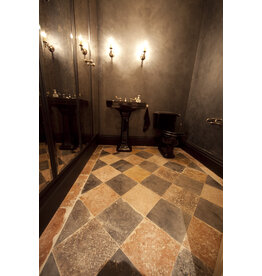
The combination with white or lighter marble in checkerboard layouts is a timeless application, widely used in both historic and contemporary interiors.
Durability and character
Antique marble has already proven its durability over time. These slabs have often been used for generations and retain their strength and beauty.
Rather than wearing out, the surface develops a natural patina that enhances its depth and authenticity, making each floor truly unique.
Formats and possibilities
Architectural composition
Combine antique black marble slabs with our antique fireplaces to create a powerful architectural composition where history, material, and contrast come together.
Find the order you'd like to withdraw
Enter your email address and order number.
Check your mailbox
If your details match an order, you'll receive an email with a link to view and manage it.